Project introduction
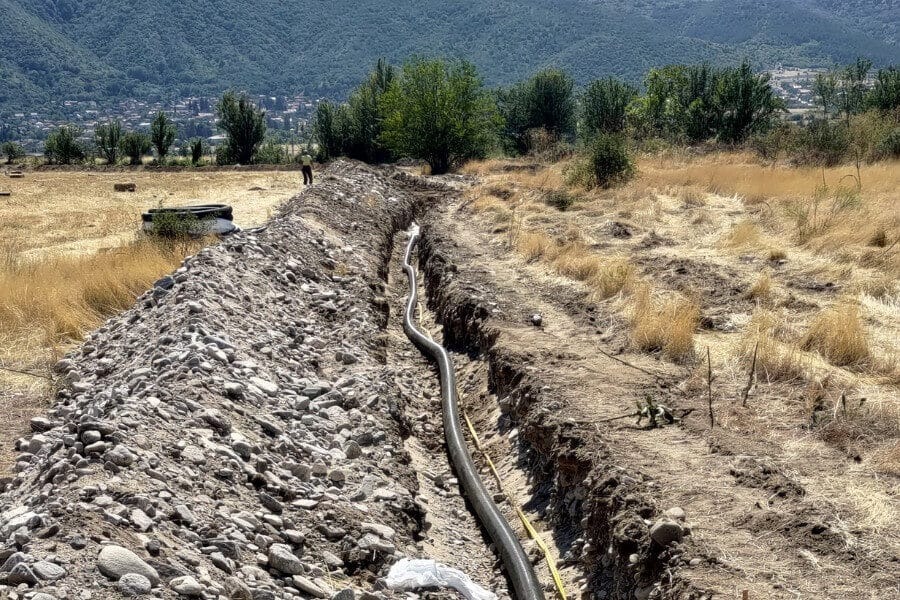
Thermaflex supplied Flexalen® pre-insulated Polybutene-1 (PB-1) piping to carry the recovered heat. The pipes were installed over approximately 2,000 metres, and the network was completed by the end of 2023.
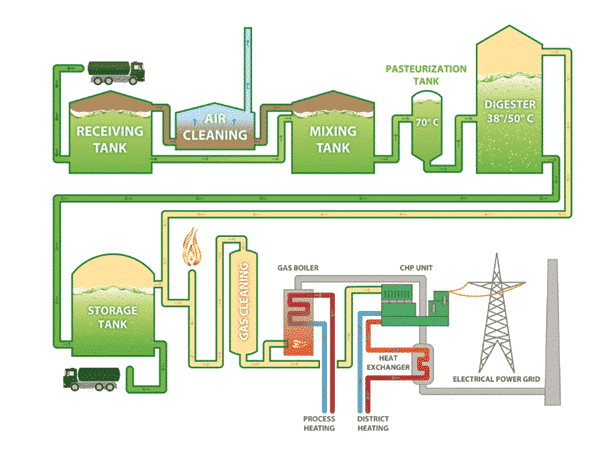
Bigadan's Horsens factory generates heat as a by-product of four processes: methane concentration, manure cooling, CO₂ condensation and biogas liquefaction. Rather than losing this heat, the project routes it into the existing district heating supply network.
The heat recovered from liquefied biogas (LBG), CO₂ condensation and biomass production amounts to a surplus of approximately 8.3 MW. Combined with electricity used by heat pumps, the total heat output reaches around 15.3 MW.
Project challenges
The network had to carry heat from an industrial site into an operating district heating system, with pipework routed across various buildings. District heating Horsens chose plastic pre-insulated pipes over steel, with several aims: lower maintenance needs, better flow speed and energy efficiency, and a longer network lifespan.
Programme was also a factor. Large-diameter pipework had to be installed in long runs with as few bends as possible, while keeping to the project schedule.
Solution
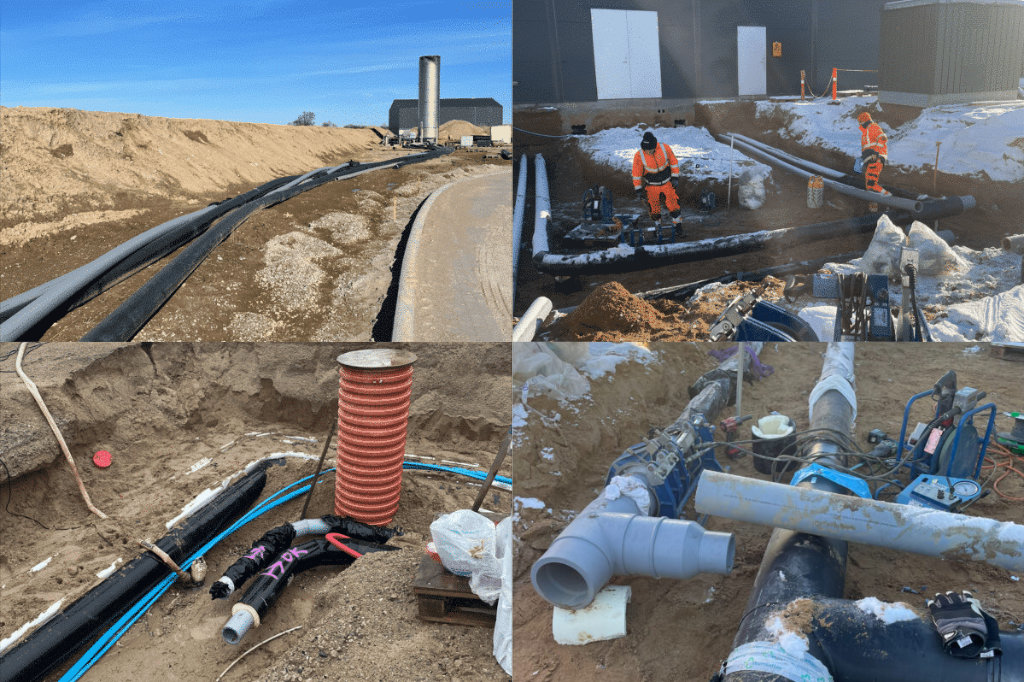
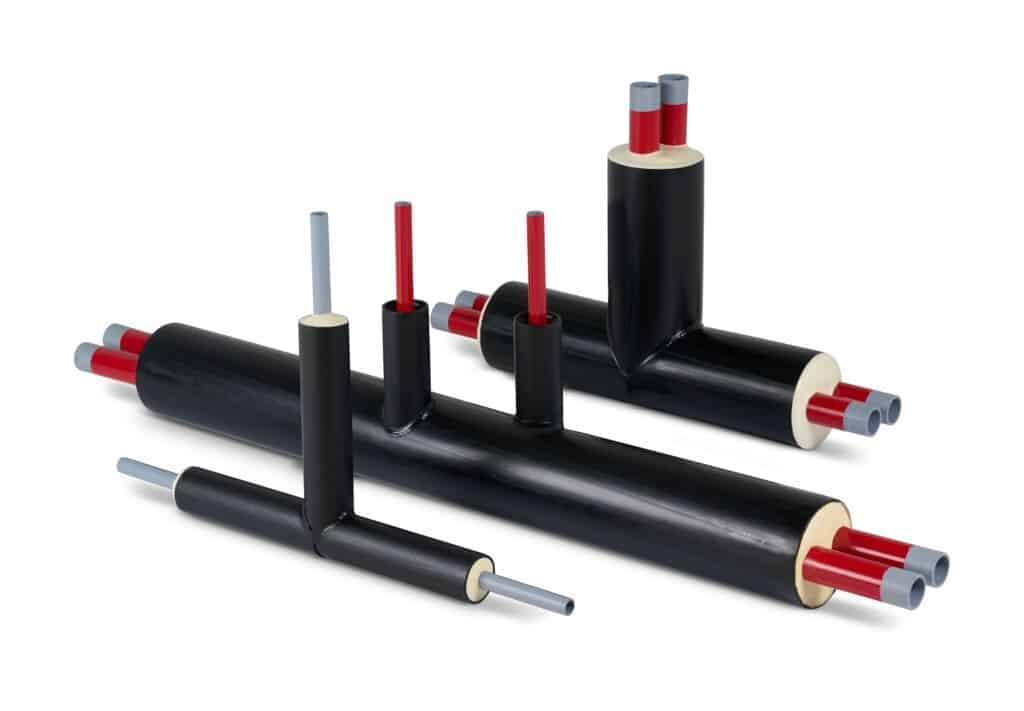
The network uses Thermaflex Flexalen® pre-insulated PB-1 pipes. The installation combined pre-insulated and uninsulated pipes, with diameters from Ø125 mm to Ø225 mm. For larger dimensions, Flexalen prefabricated bends were used to allow installation inside buildings.
The flexibility of PB-1 was relevant here. Pipes were delivered in 12-metre lengths, and their flexibility meant bends could be kept to a minimum. The pre-insulation is intended to limit heat loss in transport, which matters when the heat source is a by-product stream.
Project implementation
The PB-1 pipes were welded on site into extensive lengths and laid continuously. Scanpipe carried out the welding using certified welders, applying mirror and electro-welding techniques. Long welded runs reduce the number of mechanical joints in the network, and the work was completed in line with the project schedule.
Thermaflex worked as pipe supplier in close collaboration with District heating Horsens and the Scanpipe welding team. The project ran from 2022 to the end of 2023.
Results and benefits
The result is an operational district heating network based on excess heat from the biomass plant. The source material does not provide quantified figures for heat loss, maintenance or emissions, so the benefits below are those the project team identified rather than measured outcomes.
- The use of recovered heat reduces energy waste and contributes to Denmark's environmental goals.
- The plastic piping was selected to keep maintenance requirements minimal over the life of the network.
- The recovered heat supplements the existing supply network, with a surplus of approximately 8.3 MW and a combined output of around 15.3 MW.
Conclusion
The Horsens project shows how industrial by-product heat can be brought into an existing district heating network. The environmental benefit comes mainly from the energy source, since heat that would otherwise be lost is put to use. The PB-1 piping supports that concept through long continuous runs, few bends and a low-maintenance network. It also shows how close coordination between developer, pipe supplier and welding contractor helps deliver infrastructure of this kind on programme.
More information and how to get in touch
For technical information on the Flexalen® pre-insulated piping used in this project, or to discuss a similar district heating application, check out the Thermaflex member page or visit Thermaflex.com.
Project introduction
Thermaflex supplied Flexalen® pre-insulated Polybutene-1 (PB-1) piping to carry the recovered heat. The pipes were installed over approximately 2,000 metres, and the network was completed by the end of 2023.
Bigadan's Horsens factory generates heat as a by-product of four processes: methane concentration, manure cooling, CO₂ condensation and biogas liquefaction. Rather than losing this heat, the project routes it into the existing district heating supply network.
The heat recovered from liquefied biogas (LBG), CO₂ condensation and biomass production amounts to a surplus of approximately 8.3 MW. Combined with electricity used by heat pumps, the total heat output reaches around 15.3 MW.
Project challenges
The network had to carry heat from an industrial site into an operating district heating system, with pipework routed across various buildings. District heating Horsens chose plastic pre-insulated pipes over steel, with several aims: lower maintenance needs, better flow speed and energy efficiency, and a longer network lifespan.
Programme was also a factor. Large-diameter pipework had to be installed in long runs with as few bends as possible, while keeping to the project schedule.
Solution
The network uses Thermaflex Flexalen® pre-insulated PB-1 pipes. The installation combined pre-insulated and uninsulated pipes, with diameters from Ø125 mm to Ø225 mm. For larger dimensions, Flexalen prefabricated bends were used to allow installation inside buildings.
The flexibility of PB-1 was relevant here. Pipes were delivered in 12-metre lengths, and their flexibility meant bends could be kept to a minimum. The pre-insulation is intended to limit heat loss in transport, which matters when the heat source is a by-product stream.
Project implementation
The PB-1 pipes were welded on site into extensive lengths and laid continuously. Scanpipe carried out the welding using certified welders, applying mirror and electro-welding techniques. Long welded runs reduce the number of mechanical joints in the network, and the work was completed in line with the project schedule.
Thermaflex worked as pipe supplier in close collaboration with District heating Horsens and the Scanpipe welding team. The project ran from 2022 to the end of 2023.
Results and benefits
The result is an operational district heating network based on excess heat from the biomass plant. The source material does not provide quantified figures for heat loss, maintenance or emissions, so the benefits below are those the project team identified rather than measured outcomes.
- The use of recovered heat reduces energy waste and contributes to Denmark's environmental goals.
- The plastic piping was selected to keep maintenance requirements minimal over the life of the network.
- The recovered heat supplements the existing supply network, with a surplus of approximately 8.3 MW and a combined output of around 15.3 MW.
Conclusion
The Horsens project shows how industrial by-product heat can be brought into an existing district heating network. The environmental benefit comes mainly from the energy source, since heat that would otherwise be lost is put to use. The PB-1 piping supports that concept through long continuous runs, few bends and a low-maintenance network. It also shows how close coordination between developer, pipe supplier and welding contractor helps deliver infrastructure of this kind on programme.
More information and how to get in touch
For technical information on the Flexalen® pre-insulated piping used in this project, or to discuss a similar district heating application, check out the Thermaflex member page or visit Thermaflex.com.