Background to the hospital ship water supply system
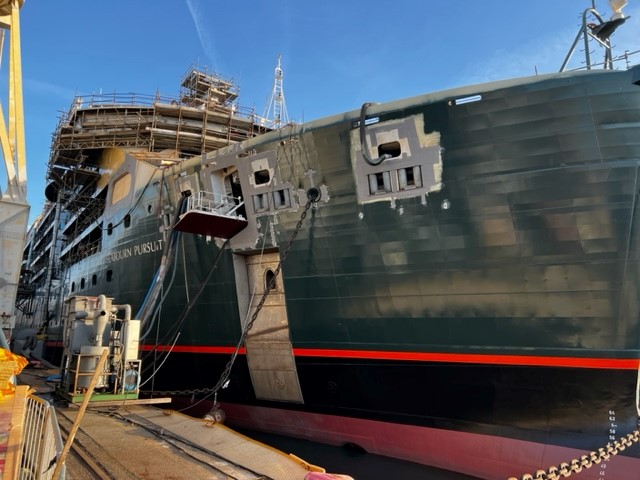
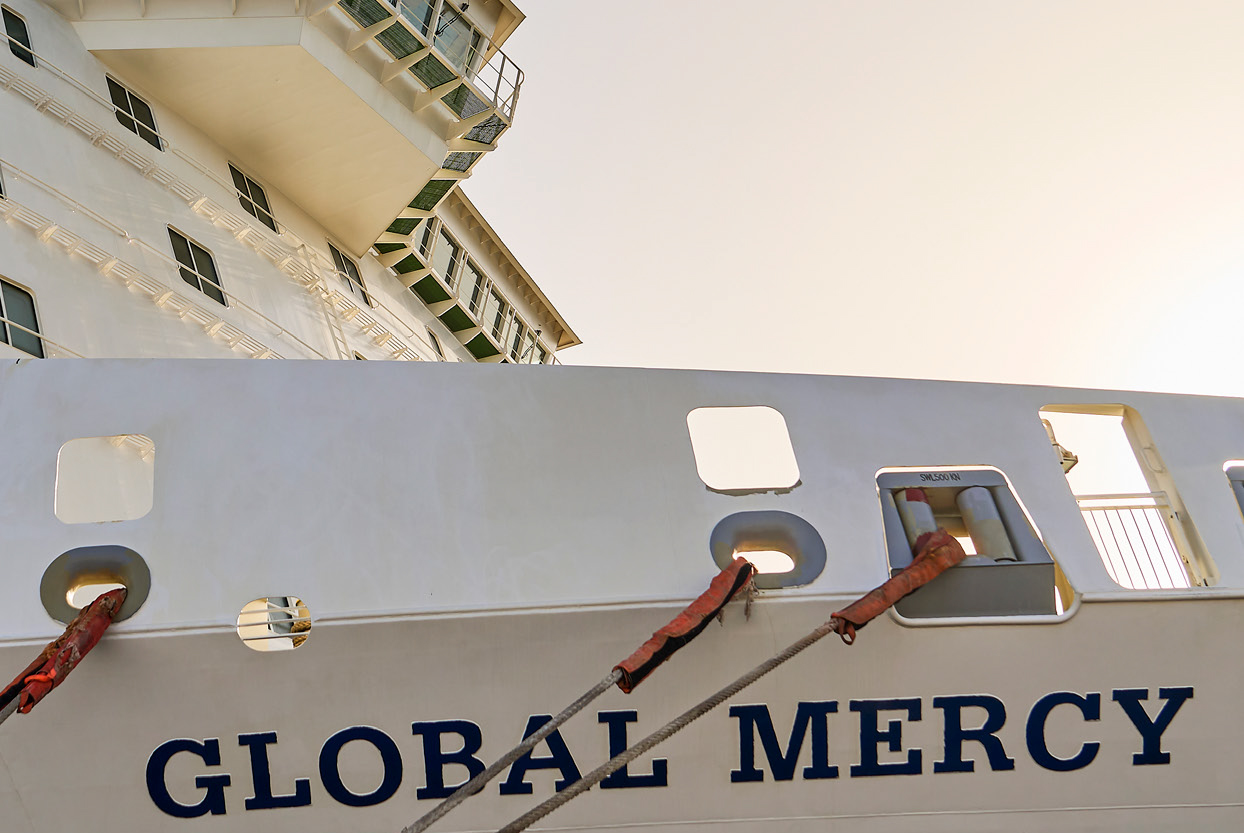
Mercy Ships has delivered professional medical care in developing countries for more than 45 years. Its newest vessel, the Global Mercy, is 174 metres long and accommodates 600 volunteers and 199 patient beds, along with substantial onboard facilities for clinical training. Daily water consumption on board is approximately 60,000 litres, serving accommodation areas, medical spaces, the canteen, and subsequent transfer to the engine room or water treatment plant. During construction, the organisation selected thermoplastic piping rather than conventional copper systems in order to enhance hygiene, reliability and long-term performance.
Technical solution and material selection
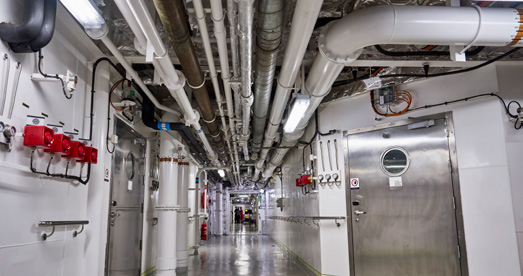
To meet the wide range of performance requirements on board, Mercy Ships selected multiple thermoplastic systems supplied by GF. The installation includes:
- Instaflex polybutene-1 (PB-1) for hot and cold potable water distribution. PB-1 is designed for building services and offers high flexibility, inherent creep resistance and long-term pressure performance.
- PVC-U for the onboard water treatment system.
- ecoFIT high-density polyethylene (HDPE) for wastewater transport, providing robust chemical resistance and mechanical durability.
Approximately 13,000 components were installed, including valves and actuators essential for safe system control across the five-kilometre-long network.
Performance outcomes of thermoplastic systems
The thermoplastic systems installed on the Global Mercy provide several critical operational and lifecycle advantages:
- Corrosion-free operation with no leaching of taste or pollutants into potable water.
- Smooth internal surfaces which reduce the likelihood of limescale formation and maintain consistent flow rates.
- Lower system weight, contributing to reduced overall vessel fuel consumption.
- Enhanced hygiene and reliability, supporting clinical operations where dependable water quality is essential.
- Installation and commissioning support provided by GF, including specialist technical guidance and onsite training.
Key benefits of PB-1 and thermoplastic piping
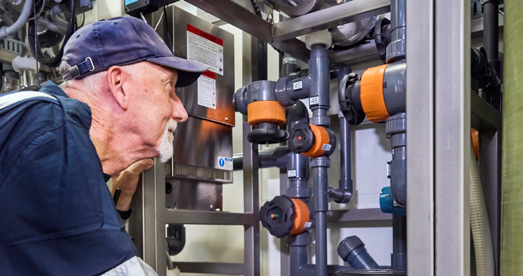
This project demonstrates the advantages that PB-1 and other advanced thermoplastic piping materials provide in critical infrastructure where operational continuity is paramount.
- Hygienic water delivery: thermoplastic systems maintain water quality for patients, crew and clinical facilities.
- Long-term reliability: freedom from corrosion and scale ensures stable performance throughout the vessel’s service life.
- Operational efficiency: reduced weight and minimal maintenance requirements contribute to sustainable vessel operation.
- Optimised installation: modern polymer systems offer flexible design options, efficient installation, and secure jointing technologies tailored for confined and complex marine spaces.
Conclusion and more information
The Global Mercy case demonstrates the advantages of using modern thermoplastic piping systems —particularly PB-1— in demanding, safety-critical environments. Through their flexibility, durability and hygienic properties, GF technologies contribute to dependable water infrastructure where reliability is paramount.
For more information, visit GFPS.com
Background to the hospital ship water supply system
Mercy Ships has delivered professional medical care in developing countries for more than 45 years. Its newest vessel, the Global Mercy, is 174 metres long and accommodates 600 volunteers and 199 patient beds, along with substantial onboard facilities for clinical training. Daily water consumption on board is approximately 60,000 litres, serving accommodation areas, medical spaces, the canteen, and subsequent transfer to the engine room or water treatment plant. During construction, the organisation selected thermoplastic piping rather than conventional copper systems in order to enhance hygiene, reliability and long-term performance.
Technical solution and material selection
To meet the wide range of performance requirements on board, Mercy Ships selected multiple thermoplastic systems supplied by GF. The installation includes:
- Instaflex polybutene-1 (PB-1) for hot and cold potable water distribution. PB-1 is designed for building services and offers high flexibility, inherent creep resistance and long-term pressure performance.
- PVC-U for the onboard water treatment system.
- ecoFIT high-density polyethylene (HDPE) for wastewater transport, providing robust chemical resistance and mechanical durability.
Approximately 13,000 components were installed, including valves and actuators essential for safe system control across the five-kilometre-long network.
Performance outcomes of thermoplastic systems
The thermoplastic systems installed on the Global Mercy provide several critical operational and lifecycle advantages:
- Corrosion-free operation with no leaching of taste or pollutants into potable water.
- Smooth internal surfaces which reduce the likelihood of limescale formation and maintain consistent flow rates.
- Lower system weight, contributing to reduced overall vessel fuel consumption.
- Enhanced hygiene and reliability, supporting clinical operations where dependable water quality is essential.
- Installation and commissioning support provided by GF, including specialist technical guidance and onsite training.
Key benefits of PB-1 and thermoplastic piping
This project demonstrates the advantages that PB-1 and other advanced thermoplastic piping materials provide in critical infrastructure where operational continuity is paramount.
- Hygienic water delivery: thermoplastic systems maintain water quality for patients, crew and clinical facilities.
- Long-term reliability: freedom from corrosion and scale ensures stable performance throughout the vessel’s service life.
- Operational efficiency: reduced weight and minimal maintenance requirements contribute to sustainable vessel operation.
- Optimised installation: modern polymer systems offer flexible design options, efficient installation, and secure jointing technologies tailored for confined and complex marine spaces.
Conclusion and more information
The Global Mercy case demonstrates the advantages of using modern thermoplastic piping systems —particularly PB-1— in demanding, safety-critical environments. Through their flexibility, durability and hygienic properties, GF technologies contribute to dependable water infrastructure where reliability is paramount.
For more information, visit GFPS.com